
Why Laneway Homes Are a Smart Investment for Toronto Families
And How Thoughtful Design Can Boost ROI While Helping Shape a More Vibrant Neighbourhoods
Laneway homes aren’t just smart, they’re soulful. And when they are well designed, they’re investments that pay back in more ways than one.
They can create space for aging parents, offer stable rental income, support multigenerational living, and add long-term property value - all within the fabric of your existing lot. But that’s only part of the story. At Studio Z, we believe laneway homes are also an opportunity to help reimagine Toronto’s urban future. Designed thoughtfully, they do more than meet immediate needs. They contribute to a more sustainable, connected city, and breathe new life into forgotten laneways. In other words, laneway homes don’t just add square footage, they also help shape the kind of neighbourhoods we want to live in, offering safer and more vibrant spaces to our urban environments.
Why are laneway homes such a smart investment for Toronto families?
For many Toronto families, they offer long-term flexibility in terms of living space and ROI.
A laneway home can become a private suite for aging parents, a peaceful work-from-home retreat, or a separate living space for adult children starting out. It can allow you to downsize in place without leaving your neighbourhood, or serve as a stepping stone for intergenerational wealth - all while strengthening your connection to your property and community over time.
They generate reliable rental income.
Many homeowners use laneway suites as mid- or long-term rentals, providing a stable secondary income stream that helps support mortgage payments or future financial goals. In a city with a tight rental market, thoughtfully designed laneway homes are increasingly sought after.
They add lasting value to your property.
Toronto realtors now see laneway suites as significant selling features, particularly when they’re beautifully designed, sustainably built, and aligned with growing lifestyle trends like multigenerational living, aging in place, and climate-conscious housing.
But not all laneway homes offer the same ROI.
The difference between a basic laneway suite and a truly enduring home lies in the design, and in the process behind it.
Designing a beautiful, functional laneway home isn’t just about choosing the right finishes or squeezing in square footage. It’s about the thinking that happens early, the care taken throughout, and the vision that holds it all together.
We guide our clients through every phase — from site analysis and city approvals to contractor coordination and the final finishing touches. Because true ROI comes not only from what you build, but how you build it and who you build it with.
Our recent Triller Avenue laneway house offers a compelling example: a small-footprint home designed to evolve across generations. Rented at first to help offset construction costs, it’s built to support aging parents in the near term. And later, to become a peaceful and efficient place to retire.
With passivehouse design, dense-pack insulation, and solar-ready infrastructure, the home stays warm in winter, cool in summer, and consumes very little energy. An all-electric system and a sculptural oculus window bring in natural light, invite ventilation, and animate the space with shifting skies.
Built with care for both the residents and the laneway it faces, the home breathes — quietly and intentionally — into the life around it.
Because at Studio Z, we’re not just designing spaces. We’re helping families shape the lives and the legacies, they want to build.
Laneway homes aren’t just about ROI. They’re about reimagining what Toronto’s laneways can be.
And the impact includes - and extends beyond - personal return.
Laneway homes aren’t just about ROI. They’re also about reimagining what Toronto’s laneways can be. Imagine back alleys transformed into pedestrian-friendly micro-neighborhoods: safer, better-lit, and more alive. Spaces where people garden, gather, play and connect. Laneway homes, when designed with care, can help transform Toronto’s underused laneways into vibrant micro-neighbourhoods - spaces that are safer, better lit, and filled with life.
Is now a good time to build?
Yes! And the City of Toronto agrees. Laneway suites are part of Toronto’s housing strategy, offering more flexible housing options within established neighbourhoods. Click here to learn more about the City’s commitment to Laneway suites.Programs like the Development Charges Deferral make construction more accessible to homeowners, and recent zoning changes have opened the door for more lots to qualify. But demand is rising and property lots are unique. Starting now ensures you can explore your site’s potential while incentives and approvals are favourable.
What should I know before building a laneway home in Toronto?
Building a laneway home isn’t just a smaller version of building a house. It comes with its own set of challenges.
Laneway sites often involve narrow access for construction vehicles, mature trees that require protection, limited staging areas, and tricky utility connections that must be coordinated with the main house. Add to that zoning bylaws, fire safety requirements, and permit timelines, and it becomes clear that even small-footprint builds require careful coordination.
That’s why careful planning and creative problem-solving are essential from the very beginning.
Quick Facts: Laneway Homes in Toronto
What Counts as a Laneway Home?
A laneway house is a small, detached home built behind an existing house, usually facing a public laneway. It’s a fully self-contained dwelling — ideal for rentals, aging parents, or downsizing in place.
But even if your lot doesn’t face a laneway, you’re still in luck:
Garden suites can be built on lots without a laneway
Carriage houses and coach houses are older names for similar above-garage or backyard units
What are the challenges?
Access can be tight. Trenching for services may disrupt the backyard. Permits and tree protection can delay timelines.
What’s the typical cost?
$350,000–$550,000+ for full build and interiors, depending on size, finishes, and site conditions. We help you explore phased budgeting options early in the process.
Can I convert my garage?
Most existing garages need to be rebuilt to meet code. We’ll assess feasibility before design begins.
Where can I build one?
Your property must back onto a public laneway that is at least 3.5m wide and meet specific zoning, access, and fire safety requirements.
What if I don’t have a laneway?
Garden suites are now allowed by zoning and we can help with that!
Are there incentives?
Yes. Toronto’s Development Charges Deferral Program can help spread out fees, and limited affordable housing pilot programs may apply.
How are utilities connected?
Laneway suites typically draw water and electricity, and expel sewage and grey water back to the main house. Studio Z coordinates with engineers to ensure compliance.
Will my property taxes increase?
Yes. A laneway home increases your assessed property value and may result in higher taxes.
Can I build a basement?
Technically yes, but basements are rarely used for living space in laneway homes. Most serve as storage or mechanical space.
What are the design requirements?
Laneway homes must follow zoning guidelines around setbacks, height (max 6m), landscape strips, and access. Full details available on the City of Toronto’s Laneway Suites page.
How long does it take to build a laneway house?
The full process, including design, permitting, and construction, typically takes 10 to 14 months.
Will construction disrupt my neighbors?
There may be temporary disruption from trenching, noise, and staging. Studio Z approaches each build with communication, care, and site coordination to minimize impacts.
Why work with Studio Z?
We specialize in intentional architecture that honours both context and care. Our laneway homes:
Are grounded in strong conceptual design
Optimize energy performance with passive house-informed principles
Respect the rhythm of the laneway and the privacy of neighbors
Are designed with love and longevity - for real lives, not just resale
Our full-service approach means we don’t just create beautiful designs — we help you bring them to life. That includes:
Assessing your lot’s potential
Navigating approvals and by-laws
Coordinating with engineers and trades
Making choices with your long-term goals in mind
And supporting you through every unexpected twist and turn
Our goal? A home you love, and a process that feels clear, supported, and human. Curious what’s possible? Step into the Triller Laneway House.
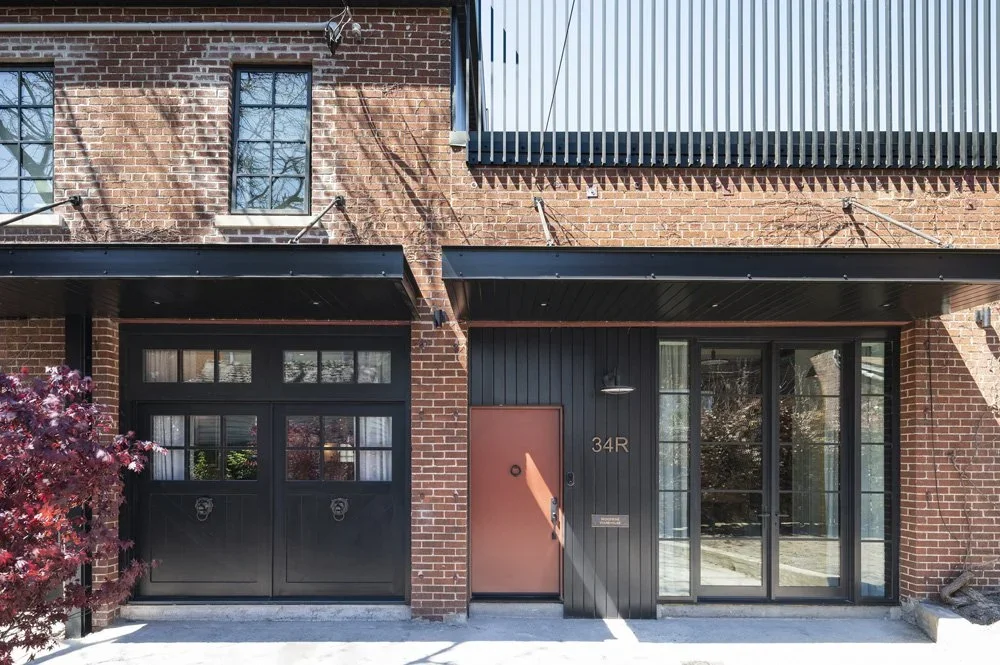
This recently completed Studio Z laneway home in Parkdale is a case study in thoughtful urban living. Explore how it transforms four former parking spaces into a compact, yet spacious, laneway suite designed for multigenerational living, passive energy performance, and long-term adaptability.
Rooted in care and context, this suite brings quiet beauty, everyday comfort, and a sense of belonging to both the family and the laneway it now gently transforms.
Final Thoughts:
Invest in Something That Grows With You A laneway home is more than a structure. It’s a future-forward investment in your family, your property, and in a more vibrant Toronto. It may begin as a practical addition, but a laneway suite offers the potential to become something far greater: a refuge, revenue stream, stepping stone for future generations, and a way to contribute to your city’s housing future.
About the Author
Zuzanna Krykorka, BArch, OAA is a licensed architect, designer, and the founder of Studio Z, a Toronto-based practice known for blending heritage, sustainability, and personal meaning into residential design. With over 27 years of architectural experience and over two decades working in Toronto’s historic neighbourhoods, Zuzanna specializes in transforming outdated spaces into elegant homes that meet the modern needs of those who live in them — without losing the character and soul of the original house.